


Powered by Global Step Academy    
Japanese lessons at Canadian Academy Elementary School

Japanese lessons at Canadian Academy Elementary School

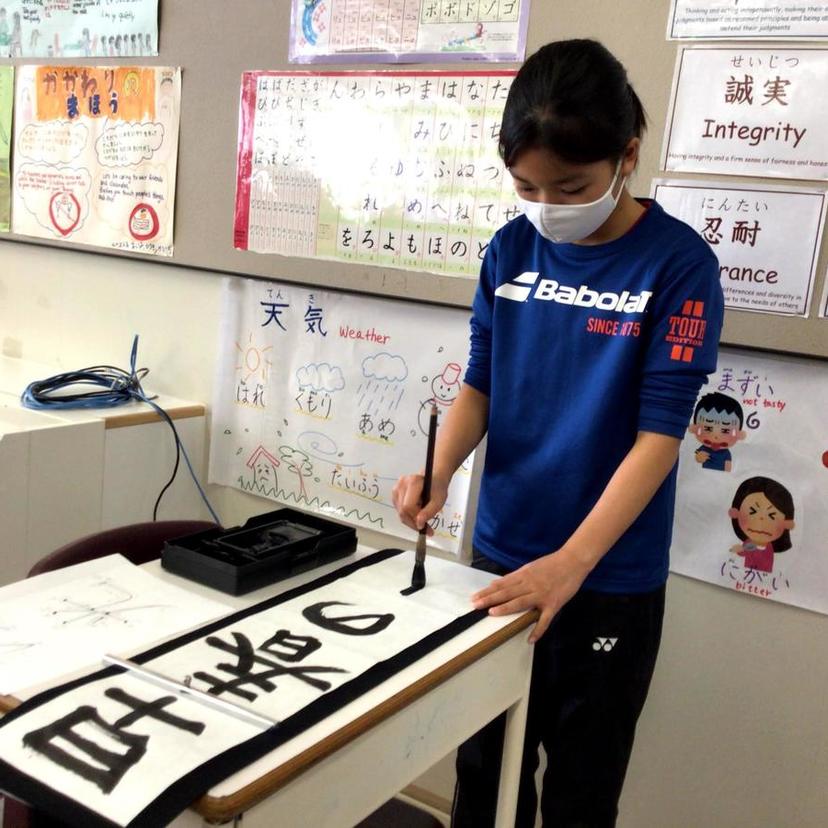
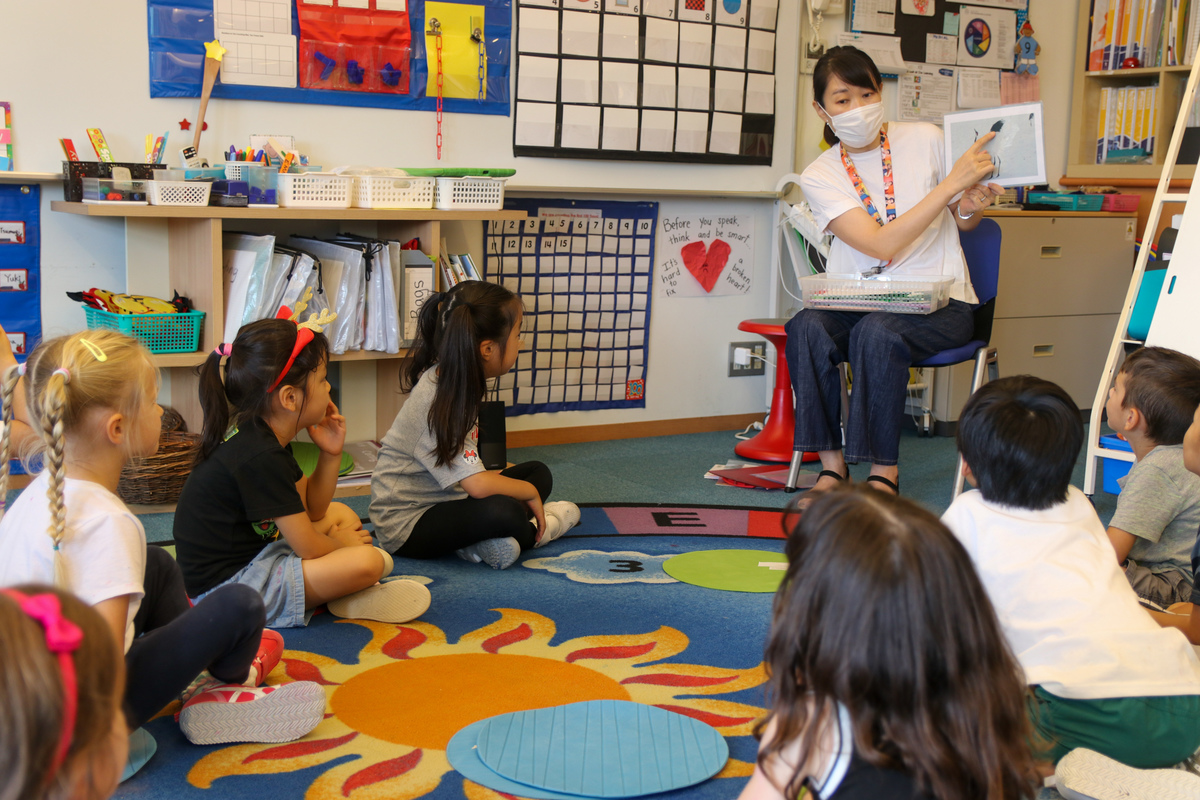
Have you ever wondered what an inquiry-based Japanese lesson looks like? Please take a peek at our Japanese lessons at Canadian Academy.


Inquiry-based Japanese

‘I really enjoy teaching the PYP Japanese, as it can potentially teach children how to be independent learners, as well as teach the language itself.'

What does it mean to acquire skills to become an independent learner through Japanese lessons, as quoted by Ms. Yonekura, one of our Japanese teachers?

What is notable about Japanese classes at Canadian Academy is that the lessons are inquiry-based, the same way as all other subjects in the Primary Years Program (PYP).

Our Japanese teachers are experienced in incorporating an inquiry process while teaching the language.

It helps develop our students' thinking, research, and presentation skills, in addition to language skills.

Cultural opportunities
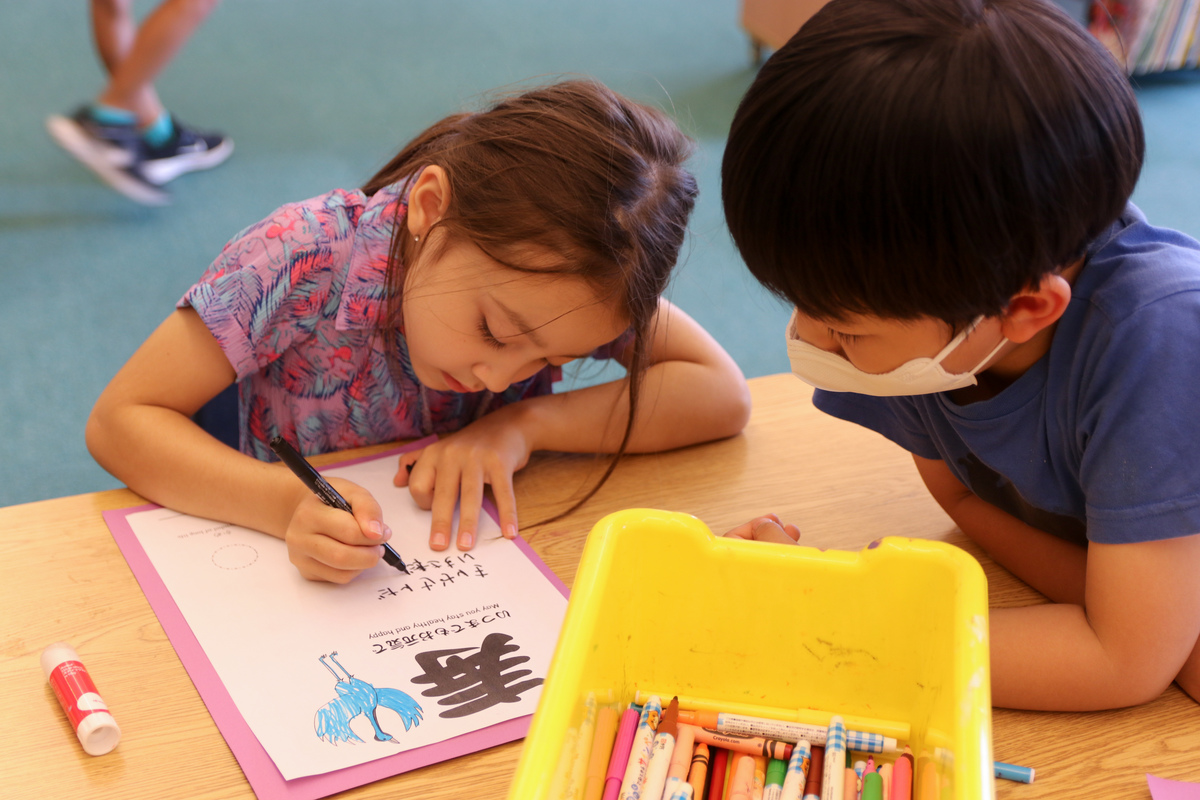
Being aware that learning Japanese is not only about the language, Canadian Academy offers various types of cultural experiences through our Japanese language classes as well.

This month, we will celebrate Respect-for-Senior-Citizens Day, a Japanese holiday when people show respect and gratitude to their elders.

While learning about this holiday, students from kindergarten classes made cards to send to their grandparents.

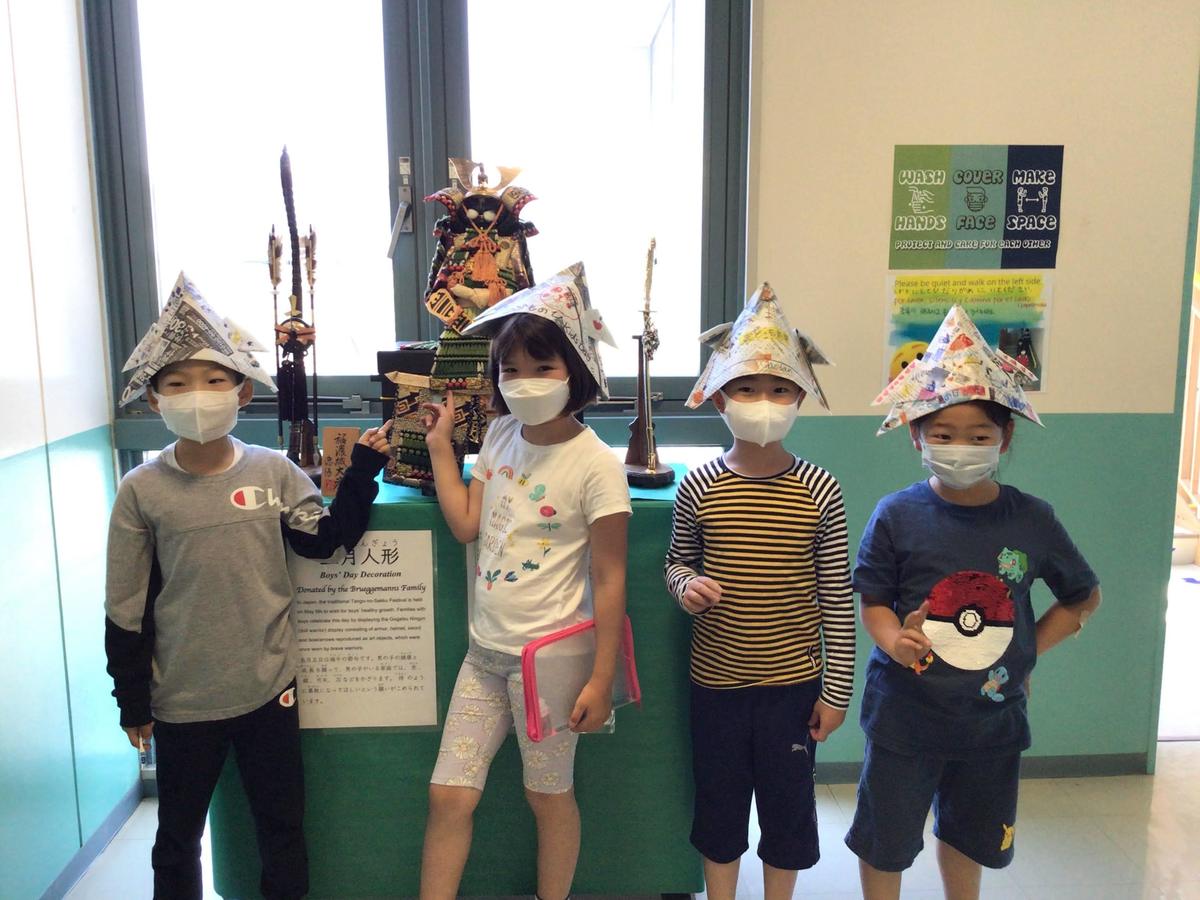
We also celebrate Oshogatsu, the Japanese New Year, and Hinamatsuri, the Japanese Girls' Day festival, to name a few others.
Japanese for native speakers

Since we have native and non-native Japanese speakers, our Japanese lessons cater to both groups in our elementary school.

We have 8 Japanese lessons in a 9-day cycle, and a lesson is 45 minutes.

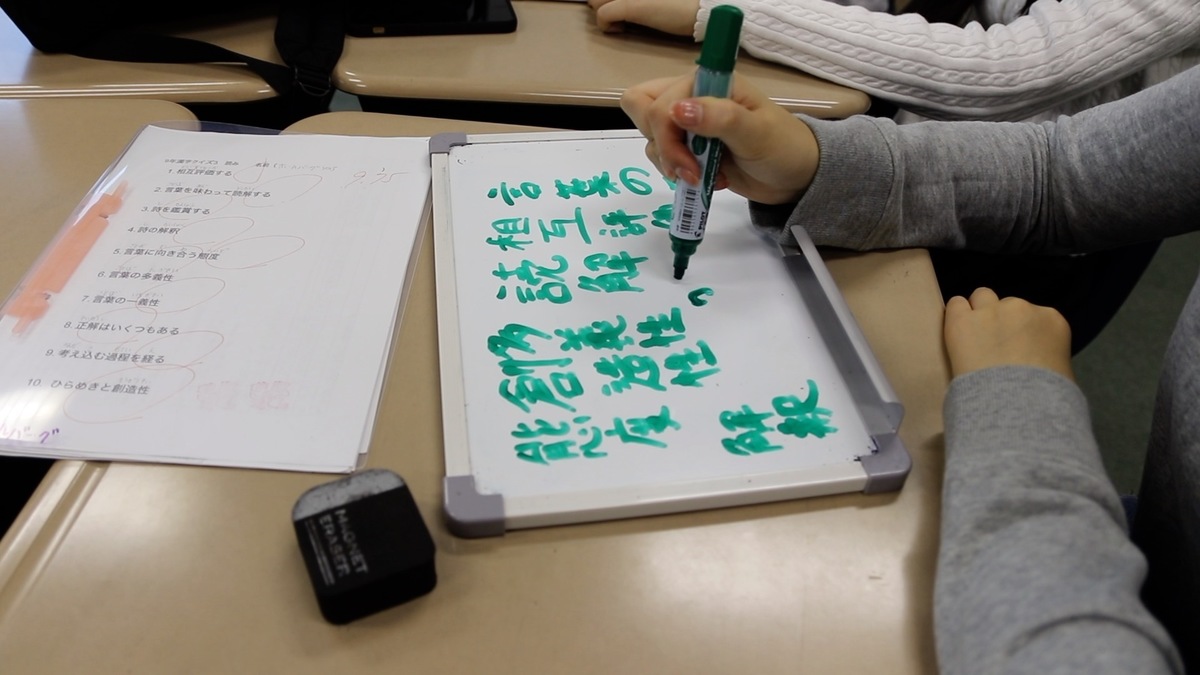
For native speakers, lessons are designed to provide opportunities to build and express their ideas.

For instance, grade 4 students are currently learning about descriptive words.

They are given an object, then they explore a range of descriptive words that could be used to describe the particular object accurately.

As there are no 'correct answers,' students are keen to share their ideas and enjoy listening to each other's presentations.

In this way, students practice reasoning and expressions.
Japanese for non-native speakers

Regarding Japanese lessons for non-native speakers, our teachers aim to nurture students' open-mindedness while teaching the language.

They often collaborate with class teachers and integrate topics from the Unit of Inquiry into Japanese lessons.

For example, suppose the Unit is about identity.

In that case, students learn Japanese vocabulary to talk about family members, and the students learn to describe their family in Japanese.

This is how Japanese classes enable students to explore a specific topic from multiple perspectives.
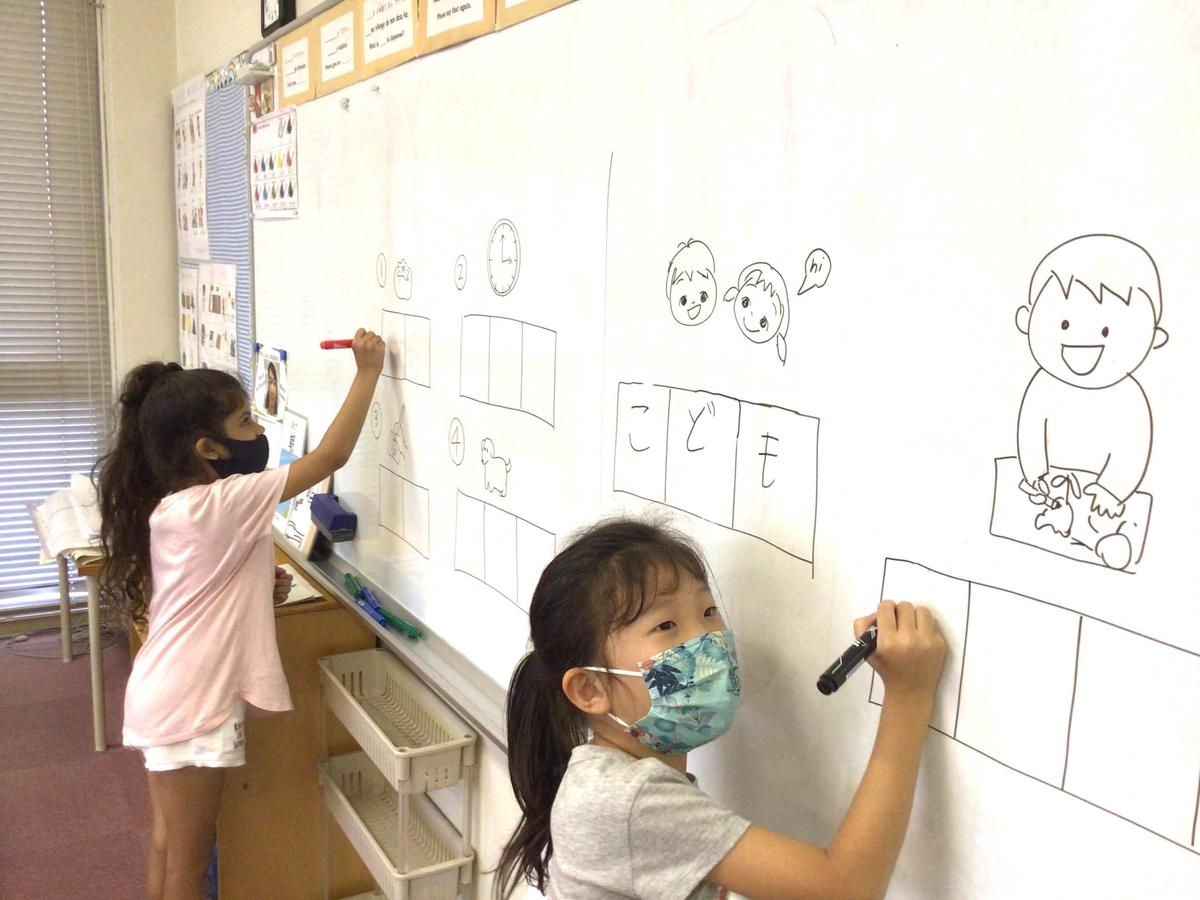
In this way, students at Canadian Academy are learning not only the Japanese language and culture, but also how to be well-balanced learners through Japanese language classes.

Inquiry

If you would like to learn more about Canadian Academy, please get in touch via our website!

Canadian Academy
4-1 Koyo cho Naka, Higashinada-ku, Kobe 658-0032, Japan
関連するキーワード


Canadian Academy IB

関連する投稿


BST to Deliver IBDP from August 2025

BST to Deliver IBDP from August 2025

The British School in Tokyo (BST) is delighted to announce that the school has been officially authorised as an IB World School and will offer the International Baccalaureate Diploma Programme (IBDP) to students in Years 12 and 13 from August 2025.


国際バカロレア認定校へ ブリティッシュ・スクール・イン東京(BST)が2025年8月よりIBDPを導入

国際バカロレア認定校へ ブリティッシュ・スクール・イン東京(BST)が2025年8月よりIBDPを導入

ブリティッシュ・スクール・イン東京(BST)は、このたびIBワールドスクールとして正式に認定されました。これにより、2025年8月よりインターナショナル・バカロレア・ディプロマ・プログラム(IBDP)をYear 12およびYear 13の生徒に提供します。


BST - 国際バカロレア (IBDP)候補校へ Year12およびYear13

BST - 国際バカロレア (IBDP)候補校へ Year12およびYear13

ブリティッシュ・スクール・イン東京(以下、BST)は、Year 12およびYear 13の生徒向けにAレベルカリキュラムから国際バカロレア・ディプロマプログラム(IBDP)への移行を進めています。


カナディアン・アカデミーで実践されている「Social Emotional Learning」とは?

カナディアン・アカデミーで実践されている「Social Emotional Learning」とは?

ソーシャル・エモーショナルラーニング (Social-Emotional Learning) をご存知でしょうか?ソーシャル・エモーショナルラーニングとは、自分の感情を理解したり、周りの人と良い人間関係を築く練習をしたりする学習です。例えば、感情を表すたくさんの言葉の中から自分の気持ちに合うものを選んでそれを伝えたり、周りの友達が困っているときに何と声をかけたら良いかを話し合ったり、といったことをします。日本語では「社会的・情動的学習」とも呼ばれます。


How is technology embedded into learning at Canadian Academy?

How is technology embedded into learning at Canadian Academy?

Have you wondered how we integrate technology into our learning? At Canadian Academy, we see the use of technology everywhere: in Music, Design, PE classes, and more!


最新の投稿


小学校受験に国際化の衝撃!サレジアン国際学園小学校インターナショナルクラス受験レポ

小学校受験に国際化の衝撃!サレジアン国際学園小学校インターナショナルクラス受験レポ

サレジアン国際学園小学校インターナショナルクラスは、2025年度入試で志願者が前年比220名以上増え、A日程2〜3倍、B日程8.1倍と高倍率でした。受験生の8割がプリスクール生や帰国生など英語環境の子どもで、英語未経験でも合格例がありました。入試では創造力、主体性、非認知能力が重視され、幼児教室未経験でも合格が見られました。「一条校×インター」の安心感、プリスクール生の増加、口コミの速さ、改革で知られる大橋学園長への期待、都心からの通いやすさが人気の理由として挙げられます。


ビジョン 2035:実用的な英語を最優先に

ビジョン 2035:実用的な英語を最優先に

日本がアジア太平洋地域で英語力のリーダーシップを発揮するには、中高の英語教育の抜本的な見直しが必要です。現在、週5時間の授業の大半が文法・読解に費やされ、スピーキング練習は週1〜2時間程度です。この比率を逆転させ、週5時間をスピーキング中心に、文法・読解は週1〜2時間とすべきです。AI会話ツールやオンライン交流などのテクノロジーを活用すれば、日本人教員でも実施可能です。2024年のEF英語能力指数で日本は116か国中92位でした。文法や読解を捨てるのではなく、「話す・聞く・書く力」を支える手段として再構成し、実際に使える英語力を育成することが重要です。試験や評価方法もスピーキング能力を反映したものに変える必要があります。


インターナショナルスクールへの転校を考える前に知っておきたい学校生活言葉の壁:その先にある課題

インターナショナルスクールへの転校を考える前に知っておきたい学校生活言葉の壁:その先にある課題

インターナショナルスクールへの転校は、言葉の壁を越えた先に、新しい文化や価値観との出会いが待っています。本記事では、子どもが多様な環境の中で自分らしさを保ちながら成長していくためのヒントを探ります。


東京大学、新学部カレッジ・オブ・デザインで日本のグローバル教育を拡充

東京大学、新学部カレッジ・オブ・デザインで日本のグローバル教育を拡充

東京大学は、2027年秋、70年ぶりに新学部「カレッジ・オブ・デザイン(College of Design)」を開設します。英語によるカリキュラムと柔軟な出願ルートを導入し、日本でも広がりつつある総合型選抜により、国内の学生にもグローバルな学びの選択肢を提供します。


帰国子女アカデミー「英語入試」「帰国生入試」中学受験ガイドを無料で公開

帰国子女アカデミー「英語入試」「帰国生入試」中学受験ガイドを無料で公開

『Bluebook Select』は、英語入試や帰国生入試を行う中学校の情報をまとめたガイドブックです。2026年度入試に対応し、首都圏を中心とした98校の最新データを掲載しています。試験科目や出願資格、英語授業体制など、学校選びに役立つ情報を整理しました。